Fifty-Three Iterations and Fifteen Years
On returning to my college, meeting the professors who shaped my thinking, and discovering how much of their teaching has stayed with me.
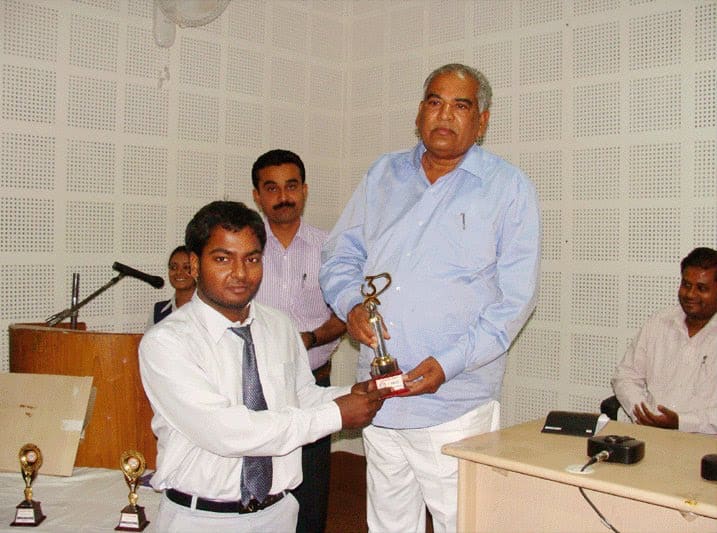
The last time I walked through the gates of RSMT, my graduation college in Varanasi, was in June 2018. I had come to invite my professors to my wedding.
That was eight years ago.
On 20 November, I was back in Varanasi for a few days. Whenever we spoke, Ashutosh sir would remind me to visit the college the next time I was in town. This time, I messaged him to let him know I was around. He confirmed he was available.
There was traffic on the way to campus. During the ride, the driver caught that I was heading to Udai Pratap College and started asking about it. I told him I had studied there and graduated in 2011. The kind of easy, curious conversation I’ve always associated with Varanasi.
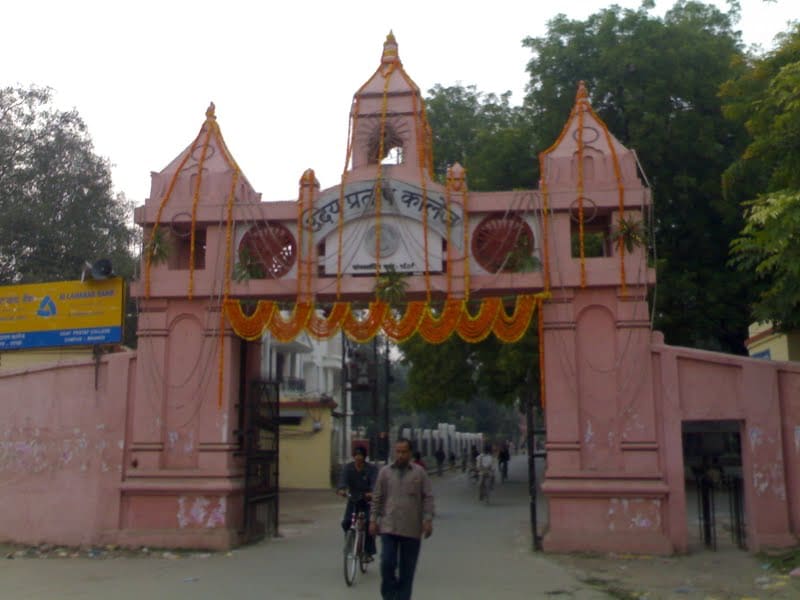
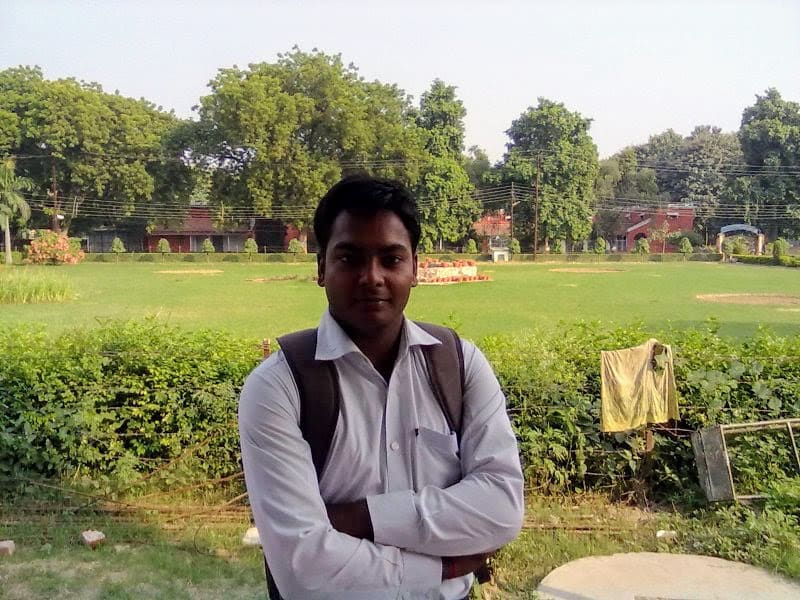
Sports week was underway. The college’s annual athletic events run just before Foundation Day on 25 November, so most professors were out. I found Ashutosh sir near the canteen, sitting with Mr. Mahesh Pratap Singh. We moved upstairs to his cabin on the second floor.
A Different Kind of Conversation
He was curious about my work, what I had been building, what the years since graduation had looked like. I spoke about my time at Jodo, the engineering problems I had worked through, the shape of the systems we had built.
At some point he mentioned a challenge the college’s ERP system had been dealing with: payment confirmations arriving late and the manual follow-ups required to track them down. We talked through it: the likely bottlenecks, the patterns that tend to cause these problems, what a reasonable fix might look like.
It was only afterwards that I noticed how the conversation had shifted. When I had sat across from him as a student, the dynamic was clear: he explained, I listened. Now we were two people working through a problem together.
That shift felt significant. The relationship had grown to include something new.
Being Remembered by Name
After some time, Vijay Pandey sir arrived. He had just climbed the stairs and was breathing heavily, so it took a few minutes before he could join the conversation. He seemed surprised to see me.
He had recently written a book, and while sending the link to me from his phone, he pointed out something I hadn’t expected. He said that I was the only student whose contact he had saved simply by name. For everyone else, he appended their batch year so he could place them. For me, the contact just read “Ritesh.”
Ashutosh sir added that certain batches stay memorable long after students leave. Often, a batch is remembered through one or two people who stood out during those years. He said that for my batch, I was one of those students.
I had not expected to hear that. I told them it was generous of them to remember me that way, and that I had been fortunate to have had professors who refused to settle for work I myself sometimes considered good enough. Looking back, that refusal was probably the most valuable thing they gave me.
Fifty-Three Iterations
What followed was a conversation I hadn’t had in years, going back to the specifics of what those college years had actually looked like from where he was sitting.
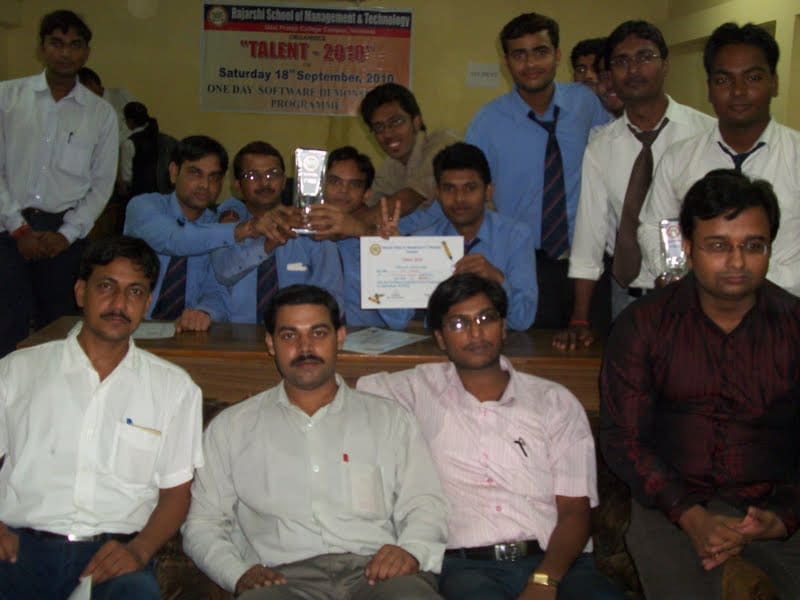
He remembered my internship under Pushkar sir. He remembered how invested I had been, how reluctant I was to settle for work I felt could be better. He described a version of me from those years that felt both familiar and distant.
One memory came back immediately: the college website.
In 2010, I was building the RSMT website as part of my coursework. Ashutosh sir reviewed the designs. And then reviewed them again. And again. By the time we reached a version he was satisfied with, we had gone through 53 iterations. In the later iterations, he would point to the Commonwealth Games website, already live at the time, as an example of what the thinking behind a well-considered design looked like.
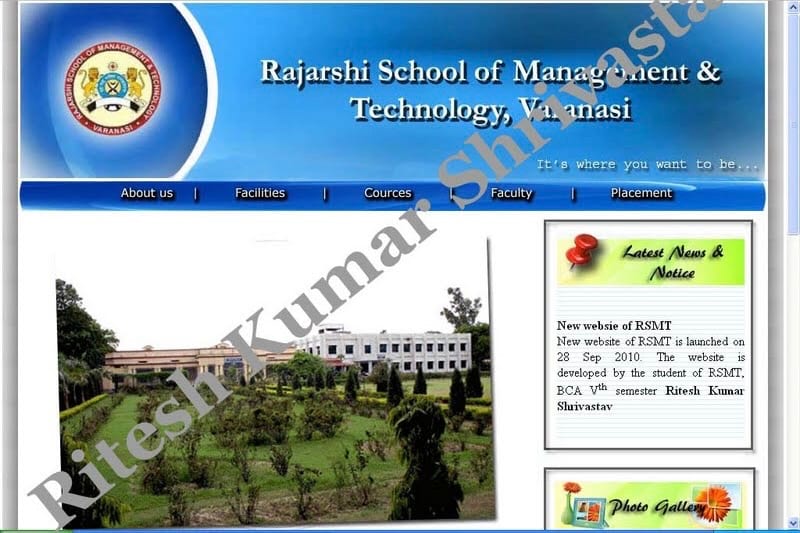
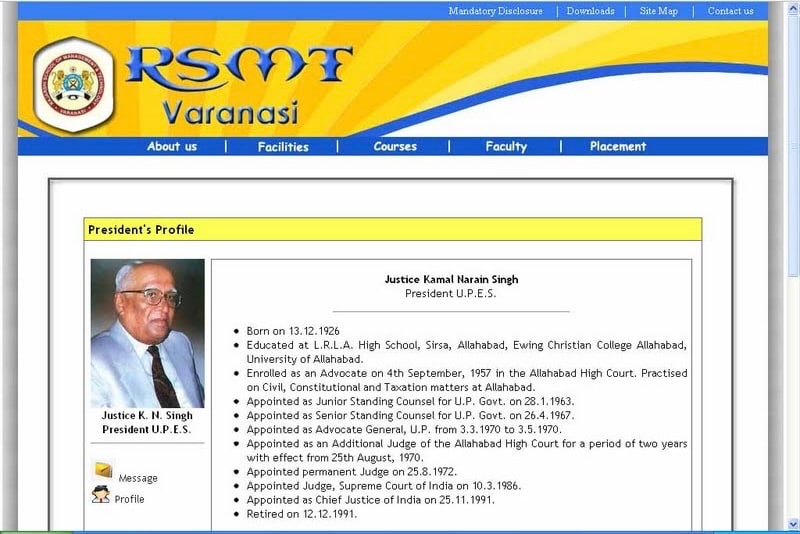
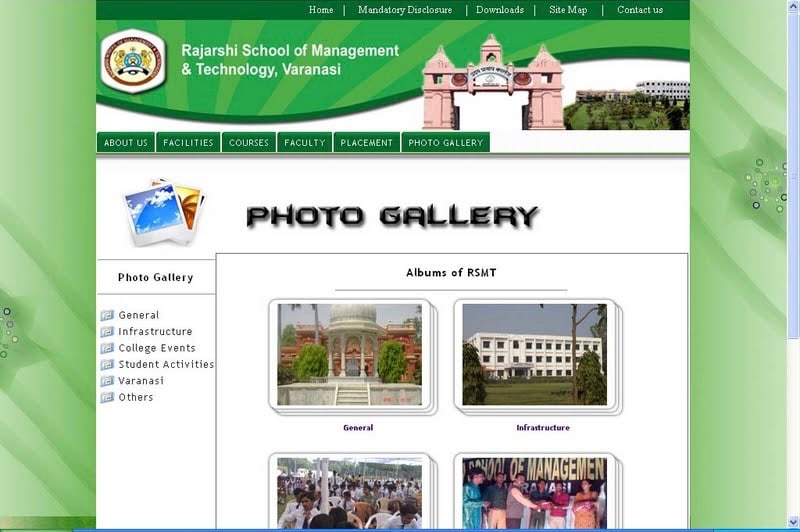
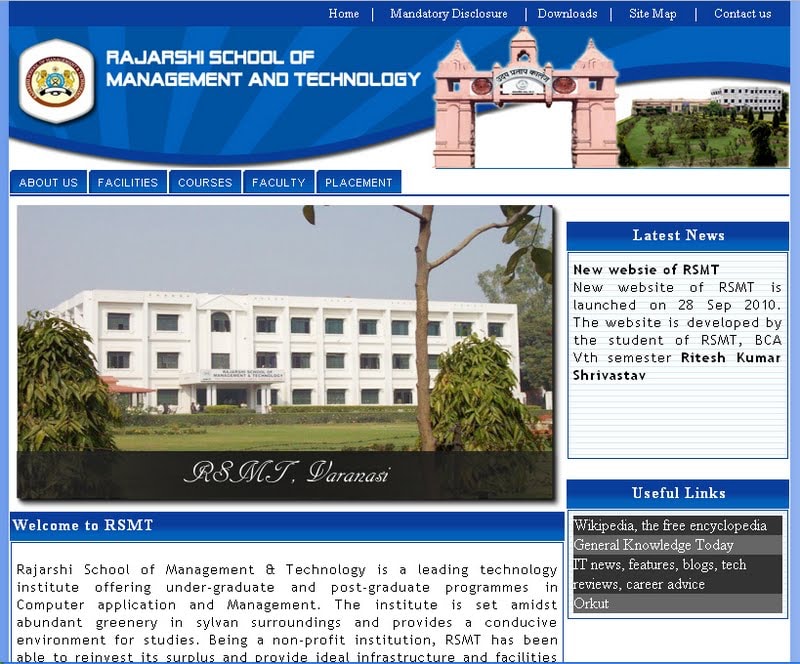
At the time, it felt like being asked to redo something I thought was already finished. Each revision came with questions: Why this colour? Who is going to use this page? What would a visitor expect to find here? Why should something be arranged this way instead of another?
What I was actually learning was something harder to name: how to think about the person on the other side of the screen, why certain colours carry weight and others don’t, what separates a decision from a default. He wasn’t teaching me to build a website. He was teaching me to think about craft.
The design that came out of those 53 iterations went live sometime in September 2010 and stayed up for years. My name was credited on the portal, and I used to get messages from seniors who had come across it and recognised me through it.
Those 53 iterations have shown up in my work ever since. Not as a method, but as a standard: the idea that something working is not the same as something being good.
The Advice Hasn’t Stopped
Towards the end of our conversation, Ashutosh sir turned to what comes next.
He said I should travel more, meet people outside India, and understand how they work and approach problems. He felt that meeting people from different backgrounds and working environments would broaden my perspective.
During college, he pushed me to improve the quality of my work. Fifteen years later, he was encouraging me to look beyond what I already knew.
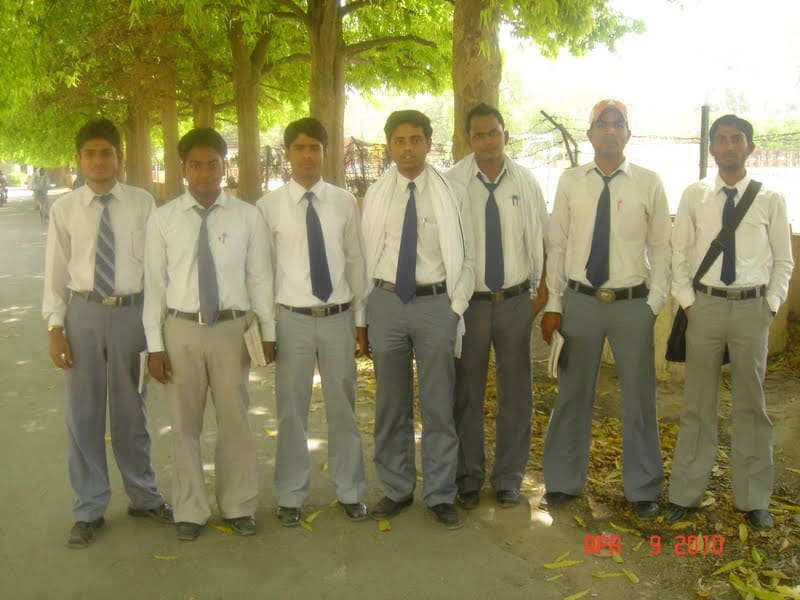
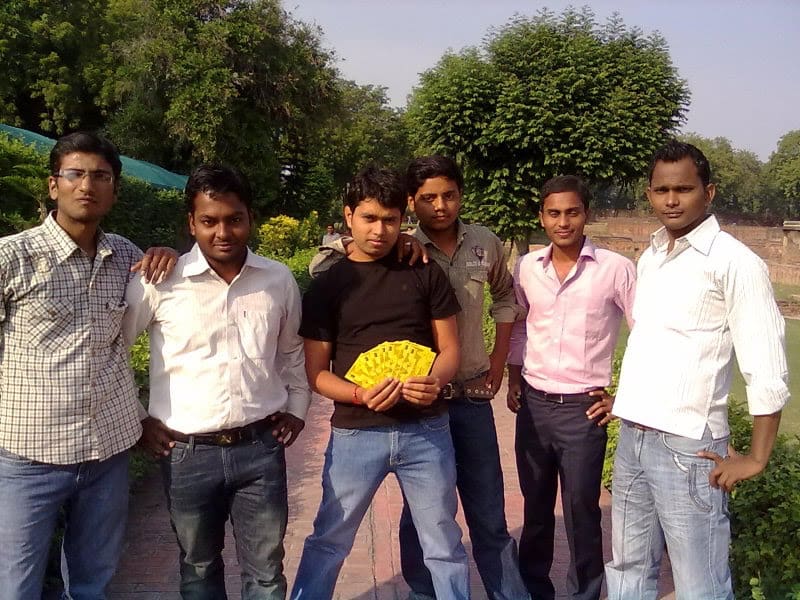
I had gone hoping to catch up after several years. The conversations brought back memories I hadn’t revisited in a long time, and reminded me how much of how I think about work was built in those years.
Some of it came from textbooks. More of it came from being made to go back and try again.